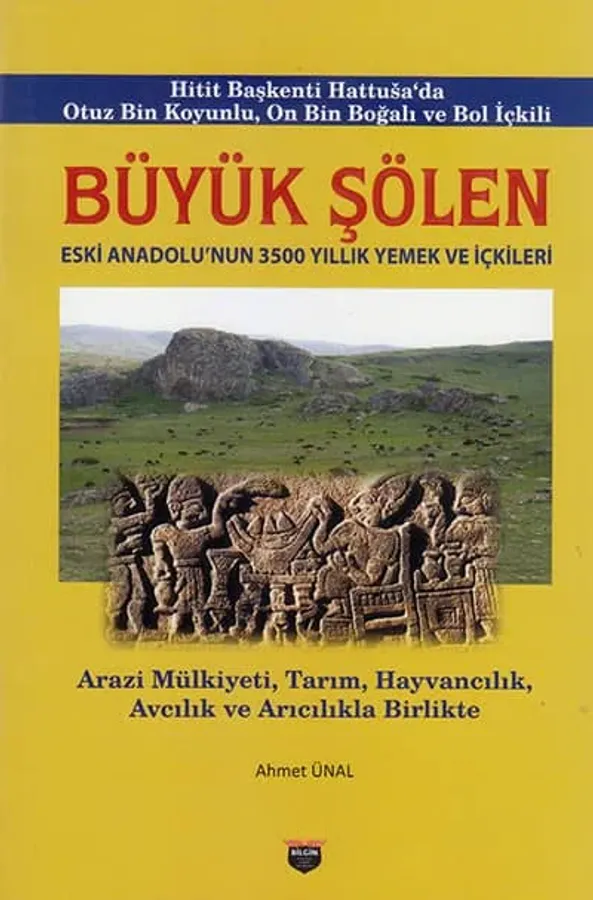

The Great Feast. 3500-Year-Old Food and Drinks of Ancient Anatolia Büyük Şölen. Eski Anadolu'nun 3500 Yıllık Yemek ve İçkileri
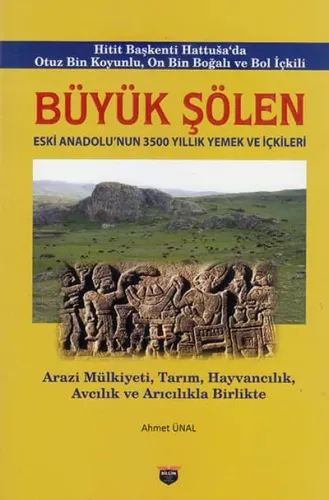
The Great Feast
Of course, everyone wonders what people who lived sixty thousand or five thousand years ago in this land we sit on, so underappreciated, now reduced to a desert, concrete jungle, and poison depot, ate and drank, how they prepared and ate. The thousands of illicit vessels that fill museum displays, whose functions we struggle to determine, were once brimming with unfamiliar foodstuffs.
But with what? Who wouldn't wonder what was cooked and how in those black, sooty pots, casseroles, and pans, how they were eaten, what they were drunk? Were locusts, mice, animal ears, pig vulvae, cow and pig udders, frogs, snakes, lizards, larvae, insects, worms, and most importantly, human flesh eaten?
Who knows? We'll find out. In buildings whose massive foundations alone inspire awe, meals were cooked in huge cauldrons for the crowded palace staff, the soldiers in the barracks, and the priests waiting to be served in the temples. Tables were set and eaten. Unusual drinks were drunk. Musicians from all over Anatolia sang songs, played instruments, danced, and races were held, and acrobatic performances were performed. All of this took place in the Central Anatolian steppes, a place no one admires or expects today. Eating and drinking was often more than just a stimulating experience. What a shame; even though the aroma of those delicious menus seemed to reach our noses, we never tasted them. Even though we felt like we could hear the melodies, we couldn't get up and dance with enthusiasm! Who were these well-fed, healthy, and well-formed people who annually hunted humans throughout Anatolia, transported captives in droves to Hatti, were strong enough to cut and carry stone blocks weighing up to 35 tons, sculpt statues, and build Cyclopean walls? And what did they eat? One would have to be deaf and insensitive not to wonder!
This book, the first scientific study on the cuisine, nutrition, agriculture, and animal husbandry of the Hittites and ancient Anatolia, is a direct product of the author's years of multifaceted research, encompassing archaeology, philology, history, and ethnology. Numerous surviving texts from the Hittites, who initiated the first written history in Anatolia 3,500 years ago, contain valuable information on daily life, culture, religion, history, geography, fortune-telling, and witchcraft, as well as, of course, nutrition, the most basic human necessity. However, these unique records do not appear in a cookbook format; they are scattered throughout a wide variety of text types, requiring skill. Through diligent research, the preparation of certain dishes has been explained, and some have even been reconstructed and brought closer to modern cuisine.
Although they remain in the periphery, Anatolia boasts the world's oldest cuisine after Ancient Egypt and Sumero-Babylon.
Its recipes predate Chinese and Indian cuisine. Compared to Greek and Roman cuisines, it appears to be more fortunate, as the sources have not been tampered with, and anachronistic, false, or fabricated material has not been introduced later.
İçindekiler
Önsöz ..............................................................................................................7
Giriş...............................................................................................................13
Eski Anadolu ve Hitit Mutfağının da Sahtesini Yaptılar ...............................32
Çevre ve Tabii Kaynaklar .............................................................................46
Anadolu’nun Tarım ve Hayvancılık Açısından Zenginliği ve Romalılar
Devrindeki İbret Verici Durum .....................................................................78
Paraziter Yaşam Tarzı Avcılık ve Devşiriciliği Bır akıp
Yerleşik Hayata Geçiş ..................................................................................86
Prehistorik Dönemde Gıda Maddesi Üretimi ve Beslenme ..........................92
Büyük Devrim Buğday Üretimine Geçiş ......................................................95
Eski Asur Ticaret Kolonileri Çağında Anadolu’da Tarım, Hayvancılık ve
Be slenme .......................................................................................................98
Gıda Üretimi, Beslenme ve Hitit Metinleri .................................................100
Yeme İçme Alışkanlıklarına Kaynak Olarak Bayram Tasvirleri ve Büyü
Metinleri ......................................................................................................104
Beslenme ve Sağlıkla Olan İlişkisi .............................................................170
Arazi Mülkiyeti ve Çiftçiler ........................................................................174
Tarımla Uğraşının Zor da Olsa En Zevkli Evresi, Hasat Etme ...................192
Bir Deneme: Un Değirmenleri ve ‘Kır Saçlı’ Değirmenciler ....................199
Tahıl, Erzak ve Gıda Maddesi Siloları, Beslenme ve
Travma Yaratan Kıtlık Yılları......................................................................207
4
İçindekiler
Hititlerde Tarım ve Hayvancılığın Önemi ..................................................221
Hititlerce Pek Önemsenmeyen Bir Uğraşı: Avcılık ....................................227
Köpek Adam ve Diğer Hayvan Maskeli İnsanlar Kimdi? ..........................240
Balıkçılık .....................................................................................................241
Betimleme S anatına Göre Avlanma Yöntemleri ........................................243
Avcılığın Ekonomik Boyutu .......................................................................246
Masal ve Efsanelerde Avcılık ve Atıcılık ....................................................247
Kešši M asalı ................................................................................................248
Güneş Tanrısı, İnek ve Çocuğu Olmayan Balıkçı .......................................249
Ok Atma Şampiyonu Gurparanzah .............................................................251
Geç Hititler Döneminde Avcılık .................................................................252
Av Hayvanları ve Evcil Hayvanlar .............................................................256
Metinlere ve Arkeozoolojik Verilere Göre Hayvan Çeşitleri ......................259
Eti Yenen ve Yenmeyen (Tabu) Hayvanlar .................................................260
Kaplar, Yemek Takımları ve Mutfak Aletleri ..............................................270
Hayvan Kesme Usul ve Şekilleri ................................................................277
Kesilen Hayvanların Yenilen ve Yenilmeyen Uzuvları ...............................280
Etler Nasıl Yemek Haline Getiriliyordu? Kaynaklar ve
Mezopotamya Mutfağındaki Durum Nedir? ...............................................282
Yemek Pişirmekle İlgili Terminoloji ...........................................................290
Yemek Çeşitleri ...........................................................................................291
a) Kuş ve Et Yemekleri ..........................................................................291
b) Diğer Yemek Türleri: Ekmek, Çorba, Hamur İşi ve Sebzeli
Yemekler ...........................................................................................306
c) Hitit Mutfağından Örnekler: Kolayca Sınayabileceğiniz Basit
Yemek Tarifl eri ..................................................................................322
Arıcılık ve Bal .............................................................................................328
5
İçindekiler
Bira Üretimi ve Tüketimi ve Diğer Anadolu İçkileri ..................................329
Şarap ve Şarap Üretimi ...............................................................................339
Meyve Suları Biliniyor muydu? ..................................................................346
Tuz ve Kullanımı ........................................................................................347
Mutfakla İlgili Yapılar .................................................................................352
Bulaşıkçılardan Söz Edilmeyen Mutfak Personeli .....................................356
Yemek Öğünleri, Resmî Yemekler ve Büyük Ziyafetler.............................363
Beslenme, Şifalı Otlar ve İlaç Üretimi ........................................................367
Lokanta ve Meyhaneler ...............................................................................369
Beslenme, İnsan Bünyesi ve Demografi ye Etkileri ....................................371
Sonuç...........................................................................................................375
Kısaltmaların Listesi ...................................................................................377
Dizin ............................................................................................................379
a) Şahıs, Tanrı ve Yer İsimleri (modern ve eski) ....................................379
b) Diller (Sümerce, Mısırca, Akadca, Hititçe, Hurrice, Urartuca, Hattice,
Luvice, Grekçe, Latince, İngilizce, Almanca, Fransızca, İtalyanca,
Osmanlıca, Arapça, Ermenice, Farsça, Amharik ( Etiyopyaca) .........395
c) Yemek İsimleri, Konular, Kavramlar, Kavimler ................................406
Ürünün ağırlığı: 1.028 gram - 1 kilo 28 gram
The Great Feast
Of course, everyone wonders what people who lived sixty thousand or five thousand years ago in this land we sit on, so underappreciated, now reduced to a desert, concrete jungle, and poison depot, ate and drank, how they prepared and ate. The thousands of illicit vessels that fill museum displays, whose functions we struggle to determine, were once brimming with unfamiliar foodstuffs.
But with what? Who wouldn't wonder what was cooked and how in those black, sooty pots, casseroles, and pans, how they were eaten, what they were drunk? Were locusts, mice, animal ears, pig vulvae, cow and pig udders, frogs, snakes, lizards, larvae, insects, worms, and most importantly, human flesh eaten?
Who knows? We'll find out. In buildings whose massive foundations alone inspire awe, meals were cooked in huge cauldrons for the crowded palace staff, the soldiers in the barracks, and the priests waiting to be served in the temples. Tables were set and eaten. Unusual drinks were drunk. Musicians from all over Anatolia sang songs, played instruments, danced, and races were held, and acrobatic performances were performed. All of this took place in the Central Anatolian steppes, a place no one admires or expects today. Eating and drinking was often more than just a stimulating experience. What a shame; even though the aroma of those delicious menus seemed to reach our noses, we never tasted them. Even though we felt like we could hear the melodies, we couldn't get up and dance with enthusiasm! Who were these well-fed, healthy, and well-formed people who annually hunted humans throughout Anatolia, transported captives in droves to Hatti, were strong enough to cut and carry stone blocks weighing up to 35 tons, sculpt statues, and build Cyclopean walls? And what did they eat? One would have to be deaf and insensitive not to wonder!
This book, the first scientific study on the cuisine, nutrition, agriculture, and animal husbandry of the Hittites and ancient Anatolia, is a direct product of the author's years of multifaceted research, encompassing archaeology, philology, history, and ethnology. Numerous surviving texts from the Hittites, who initiated the first written history in Anatolia 3,500 years ago, contain valuable information on daily life, culture, religion, history, geography, fortune-telling, and witchcraft, as well as, of course, nutrition, the most basic human necessity. However, these unique records do not appear in a cookbook format; they are scattered throughout a wide variety of text types, requiring skill. Through diligent research, the preparation of certain dishes has been explained, and some have even been reconstructed and brought closer to modern cuisine.
Although they remain in the periphery, Anatolia boasts the world's oldest cuisine after Ancient Egypt and Sumero-Babylon.
Its recipes predate Chinese and Indian cuisine. Compared to Greek and Roman cuisines, it appears to be more fortunate, as the sources have not been tampered with, and anachronistic, false, or fabricated material has not been introduced later.
İçindekiler
Önsöz ..............................................................................................................7
Giriş...............................................................................................................13
Eski Anadolu ve Hitit Mutfağının da Sahtesini Yaptılar ...............................32
Çevre ve Tabii Kaynaklar .............................................................................46
Anadolu’nun Tarım ve Hayvancılık Açısından Zenginliği ve Romalılar
Devrindeki İbret Verici Durum .....................................................................78
Paraziter Yaşam Tarzı Avcılık ve Devşiriciliği Bır akıp
Yerleşik Hayata Geçiş ..................................................................................86
Prehistorik Dönemde Gıda Maddesi Üretimi ve Beslenme ..........................92
Büyük Devrim Buğday Üretimine Geçiş ......................................................95
Eski Asur Ticaret Kolonileri Çağında Anadolu’da Tarım, Hayvancılık ve
Be slenme .......................................................................................................98
Gıda Üretimi, Beslenme ve Hitit Metinleri .................................................100
Yeme İçme Alışkanlıklarına Kaynak Olarak Bayram Tasvirleri ve Büyü
Metinleri ......................................................................................................104
Beslenme ve Sağlıkla Olan İlişkisi .............................................................170
Arazi Mülkiyeti ve Çiftçiler ........................................................................174
Tarımla Uğraşının Zor da Olsa En Zevkli Evresi, Hasat Etme ...................192
Bir Deneme: Un Değirmenleri ve ‘Kır Saçlı’ Değirmenciler ....................199
Tahıl, Erzak ve Gıda Maddesi Siloları, Beslenme ve
Travma Yaratan Kıtlık Yılları......................................................................207
4
İçindekiler
Hititlerde Tarım ve Hayvancılığın Önemi ..................................................221
Hititlerce Pek Önemsenmeyen Bir Uğraşı: Avcılık ....................................227
Köpek Adam ve Diğer Hayvan Maskeli İnsanlar Kimdi? ..........................240
Balıkçılık .....................................................................................................241
Betimleme S anatına Göre Avlanma Yöntemleri ........................................243
Avcılığın Ekonomik Boyutu .......................................................................246
Masal ve Efsanelerde Avcılık ve Atıcılık ....................................................247
Kešši M asalı ................................................................................................248
Güneş Tanrısı, İnek ve Çocuğu Olmayan Balıkçı .......................................249
Ok Atma Şampiyonu Gurparanzah .............................................................251
Geç Hititler Döneminde Avcılık .................................................................252
Av Hayvanları ve Evcil Hayvanlar .............................................................256
Metinlere ve Arkeozoolojik Verilere Göre Hayvan Çeşitleri ......................259
Eti Yenen ve Yenmeyen (Tabu) Hayvanlar .................................................260
Kaplar, Yemek Takımları ve Mutfak Aletleri ..............................................270
Hayvan Kesme Usul ve Şekilleri ................................................................277
Kesilen Hayvanların Yenilen ve Yenilmeyen Uzuvları ...............................280
Etler Nasıl Yemek Haline Getiriliyordu? Kaynaklar ve
Mezopotamya Mutfağındaki Durum Nedir? ...............................................282
Yemek Pişirmekle İlgili Terminoloji ...........................................................290
Yemek Çeşitleri ...........................................................................................291
a) Kuş ve Et Yemekleri ..........................................................................291
b) Diğer Yemek Türleri: Ekmek, Çorba, Hamur İşi ve Sebzeli
Yemekler ...........................................................................................306
c) Hitit Mutfağından Örnekler: Kolayca Sınayabileceğiniz Basit
Yemek Tarifl eri ..................................................................................322
Arıcılık ve Bal .............................................................................................328
5
İçindekiler
Bira Üretimi ve Tüketimi ve Diğer Anadolu İçkileri ..................................329
Şarap ve Şarap Üretimi ...............................................................................339
Meyve Suları Biliniyor muydu? ..................................................................346
Tuz ve Kullanımı ........................................................................................347
Mutfakla İlgili Yapılar .................................................................................352
Bulaşıkçılardan Söz Edilmeyen Mutfak Personeli .....................................356
Yemek Öğünleri, Resmî Yemekler ve Büyük Ziyafetler.............................363
Beslenme, Şifalı Otlar ve İlaç Üretimi ........................................................367
Lokanta ve Meyhaneler ...............................................................................369
Beslenme, İnsan Bünyesi ve Demografi ye Etkileri ....................................371
Sonuç...........................................................................................................375
Kısaltmaların Listesi ...................................................................................377
Dizin ............................................................................................................379
a) Şahıs, Tanrı ve Yer İsimleri (modern ve eski) ....................................379
b) Diller (Sümerce, Mısırca, Akadca, Hititçe, Hurrice, Urartuca, Hattice,
Luvice, Grekçe, Latince, İngilizce, Almanca, Fransızca, İtalyanca,
Osmanlıca, Arapça, Ermenice, Farsça, Amharik ( Etiyopyaca) .........395
c) Yemek İsimleri, Konular, Kavramlar, Kavimler ................................406
Ürünün ağırlığı: 1.028 gram - 1 kilo 28 gram