

During the 2017 Tarsus Hinterland Surveys, surveys were conducted in Keşbükü and its surrounding area. Keşbükü is located approximately 18 km northwest of Tarsus. During our surveys at the site, we unearthed two inscribed sarcophagi, numerous ceramics, terracotta figurines, and a kouros head. Tarsus Surveys II presents the Keşbükü finds, which span from the Neolithic/Chalcolithic Age to the Middle Roman Imperial Period, to the scientific community.
Obsidians constitute the earliest finds from Keşbükü. These Odsidians date back to the Neolithic or Chalcolithic Ages. This information provides definitive evidence for the existence of early settlements in the Tarsus Hinterland, such as Gözlükule Mound in the center of Tarsus.
The Archaic and Classical ceramics unearthed at Keşbükü, which constitute a significant group in terms of quantity and quality, offer the opportunity to revisit the "mysterious void" that existed in Gözlükule between 530 and 320 BC. The Archaic and Classical Period finds from Keşbükü provide clear and definitive evidence that the "mysterious void" in Tarsus and its surrounding area applies only to Gözlükule.
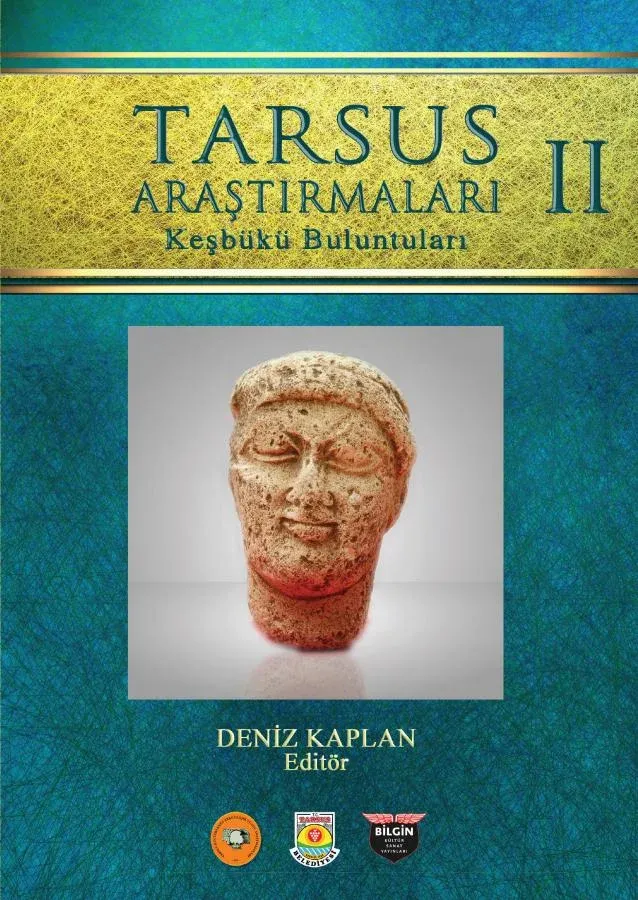
A Kouros head unearthed from the settlement and displayed in the Tarsus Museum dates to 530-520 BC. It is the earliest sculptural find from Tarsus.
The main group that can be identified among the Hellenistic and Roman terracotta figurines unearthed at Keşbükü is the Kourotrophi. The Keşbükü Kourotrophi, unearthed in the rocky area at the summit of the settlement, share similarities in both context and artifacts with the Kourotrophoi Cleft Rock Sanctuary at Ephesus and the Demeter Rock at Kaunos. These similarities suggest the existence of a sanctuary for the "Kourotrophoi" deities at Keşbükü. This suggests that the first known and identified open-air rock sanctuary for kourotrophoi deities in Cilicia was at Keşbükü.
An ancient Greek inscription is found on a limestone sarcophagus found at Keşbükü. Lysander, mentioned in the inscription, is described as a temple guard. This information has made it possible to learn, for the first time, the name of a temple guard at the Temple of Hadrian, now known as Donuktaş, in Tarsus.
The discovery of another inscribed sarcophagus at Burunköy, on the same promontory approximately 4 km east of Keşbükü, is a significant discovery, providing the first glimpse into the phyles of Tarsus. The "Isis phyle" mentioned in this inscription is documented for the first time.
İÇİNDEKİLER
Sunuş ................................................................................................................................... VII
Önsöz ....................................................................................................................................IX
Deniz KAPLAN
Tarsus/Keşbükü’nün Konumu ve Topoğrafyası ................................................................1
The Location and the Topographic Structure of Tarsus/Keşbükü
Fatma ŞAHİN
Keşbükü Yerleşmesi Demir Çağı Öncesi Buluntuları ........................................................9
Pre-Iron Age Finds of the Settlement of Keşbükü
Nur DEZER
Keşbükü Arkaik ve Klasik Dönem Seramikleri ...............................................................27
Archaic and Classical Period Ceramics from Keşbükü
Hatice KÖRSULU - Tuğba KILIÇ
Keşbükü Hellenistik ve Roma Dönemi Seramikleri ......................................................101
Hellenistic and Roman Period Ceramics from Keşbükü
Erkan ALKAÇ
Tarsus Hinterlandı’ndan Bir Grup Amphora: Keşbükü Buluntuları ..............................191
A Group of Amphora in Tarsus Hinterland: Keşbükü Findings
Deniz KAPLAN - Serra DURUGÖNÜL
Keşbükü’den Bir Kouros Başı ......................................................................................215
A Kouros Head of Keşbükü
Münteha DİNÇ
Keşbükü Terracotta Figürinleri ....................................................................................227
Terracotta Figurines from Keşbükü
Deniz KAPLAN
Buluntuları Işığında Bir Yerleşimin Kimliği Üzerine Görüşler: Tarsus/Keşbükü .............255
Opinions on the Identity of a Settlement in the Light of its Finds: Tarsus/Keşbükü
Ürünün ağırlığı: 0,868 gram
During the 2017 Tarsus Hinterland Surveys, surveys were conducted in Keşbükü and its surrounding area. Keşbükü is located approximately 18 km northwest of Tarsus. During our surveys at the site, we unearthed two inscribed sarcophagi, numerous ceramics, terracotta figurines, and a kouros head. Tarsus Surveys II presents the Keşbükü finds, which span from the Neolithic/Chalcolithic Age to the Middle Roman Imperial Period, to the scientific community.
Obsidians constitute the earliest finds from Keşbükü. These Odsidians date back to the Neolithic or Chalcolithic Ages. This information provides definitive evidence for the existence of early settlements in the Tarsus Hinterland, such as Gözlükule Mound in the center of Tarsus.
The Archaic and Classical ceramics unearthed at Keşbükü, which constitute a significant group in terms of quantity and quality, offer the opportunity to revisit the "mysterious void" that existed in Gözlükule between 530 and 320 BC. The Archaic and Classical Period finds from Keşbükü provide clear and definitive evidence that the "mysterious void" in Tarsus and its surrounding area applies only to Gözlükule.
A Kouros head unearthed from the settlement and displayed in the Tarsus Museum dates to 530-520 BC. It is the earliest sculptural find from Tarsus.
The main group that can be identified among the Hellenistic and Roman terracotta figurines unearthed at Keşbükü is the Kourotrophi. The Keşbükü Kourotrophi, unearthed in the rocky area at the summit of the settlement, share similarities in both context and artifacts with the Kourotrophoi Cleft Rock Sanctuary at Ephesus and the Demeter Rock at Kaunos. These similarities suggest the existence of a sanctuary for the "Kourotrophoi" deities at Keşbükü. This suggests that the first known and identified open-air rock sanctuary for kourotrophoi deities in Cilicia was at Keşbükü.
An ancient Greek inscription is found on a limestone sarcophagus found at Keşbükü. Lysander, mentioned in the inscription, is described as a temple guard. This information has made it possible to learn, for the first time, the name of a temple guard at the Temple of Hadrian, now known as Donuktaş, in Tarsus.
The discovery of another inscribed sarcophagus at Burunköy, on the same promontory approximately 4 km east of Keşbükü, is a significant discovery, providing the first glimpse into the phyles of Tarsus. The "Isis phyle" mentioned in this inscription is documented for the first time.
İÇİNDEKİLER
Sunuş ................................................................................................................................... VII
Önsöz ....................................................................................................................................IX
Deniz KAPLAN
Tarsus/Keşbükü’nün Konumu ve Topoğrafyası ................................................................1
The Location and the Topographic Structure of Tarsus/Keşbükü
Fatma ŞAHİN
Keşbükü Yerleşmesi Demir Çağı Öncesi Buluntuları ........................................................9
Pre-Iron Age Finds of the Settlement of Keşbükü
Nur DEZER
Keşbükü Arkaik ve Klasik Dönem Seramikleri ...............................................................27
Archaic and Classical Period Ceramics from Keşbükü
Hatice KÖRSULU - Tuğba KILIÇ
Keşbükü Hellenistik ve Roma Dönemi Seramikleri ......................................................101
Hellenistic and Roman Period Ceramics from Keşbükü
Erkan ALKAÇ
Tarsus Hinterlandı’ndan Bir Grup Amphora: Keşbükü Buluntuları ..............................191
A Group of Amphora in Tarsus Hinterland: Keşbükü Findings
Deniz KAPLAN - Serra DURUGÖNÜL
Keşbükü’den Bir Kouros Başı ......................................................................................215
A Kouros Head of Keşbükü
Münteha DİNÇ
Keşbükü Terracotta Figürinleri ....................................................................................227
Terracotta Figurines from Keşbükü
Deniz KAPLAN
Buluntuları Işığında Bir Yerleşimin Kimliği Üzerine Görüşler: Tarsus/Keşbükü .............255
Opinions on the Identity of a Settlement in the Light of its Finds: Tarsus/Keşbükü
Ürünün ağırlığı: 0,868 gram