
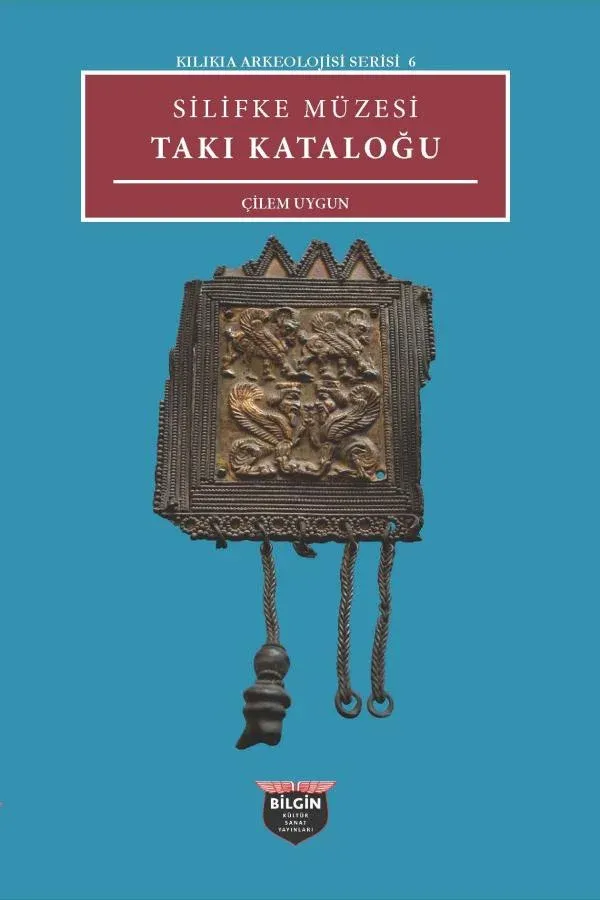

This study, titled "Silifke Museum Jewelry Catalogue," aims to inform the reader about jewelry making in Anatolian cultures from the Bronze Age to the end of the Byzantine period, within the framework of typology, materials-techniques, function, and iconography, based on the artifacts in the district museum, which houses artifacts from important cities of the Cilicia region. In this study, 141 jewelry examples, primarily acquired through purchase or forced acquisition, have been comprehensively examined in terms of their technical characteristics, style, and iconography. While a larger number of artifacts were obtained during the documentation process, some examples were excluded from the catalog due to form repetition. In addition to jewelry groups such as diadems, earrings, necklaces, rings, and bracelets, the jewelry forms evaluated in this study include brooches, known only in a single example, and pins used in hair or clothing. Ring stones and beads, consisting of gems and cameos, have been evaluated independently as they have lost their original jewelry form. Mouth/eye bands, discussed under the heading of funerary jewelry, are a special group of materials reflecting ancient burial traditions. The artifacts included in the catalog are primarily grouped typologically according to their intended use, and examples of each jewelry form are arranged chronologically from the earliest to the latest historical period.
Located in Silifke district, which attracts attention with its natural beauty and cultural richness, the Museum presents its rich collection of artifacts to a wider audience, beyond day visitors, through publications prepared for academics. These publications evaluate the coins, lead seals, glass, ceramics, sculptures, and architectural works in the Museum's collections.
----------------------------------------------------
Silifke Müzesi Takı Kataloğu Başlıklı bu çalışmayla Kilikia Bölgesi'nin önemli kentlerinin eserlerini bünyesinde barındıran ilçe müzesindeki eserler doğrultusunda Tunç Çağ'da Bizans Dönemi sonuna kadar Anadolu kültürlerindeki kuyumculuk hakkında tipoloji, malzeme-teknik, fonksiyon ve İkonografi alt başlıkları çerçevesinde okuyucuyu bilgi vermek amaçlanmıştır. Bu çalışmada, Silifke Müzesi koleksiyonuna ağırlıklı olarak satın alma veya zor alım yoluyla kazandırılmış 141 takı örneği, teknik özellikleri, üslup ve İkonografi açıdan kapsamlı bir biçimde incelenmiştir. Belgeleme sürecinde daha fazla sayıda esere ulaşılmış olmakla birlikte, form tekrarı nedeniyle bazı örnekler çalışma dışında bırakılacak katalog kapsamına alınmamıştır. Diadem, küpe, kolye, yüzük, bilezik gibi takı gruplarına ek olarak, saç ya da giyside kullanılan iğne ile tek bir örnekle bilinen broş çalışmada değerlendirilen takı formlarıdır. Gemme ve kameolardan oluşan yüzük taşları ve boncuklar orijinal takı formunu kaybettiğinden bağımsız değerlendirilmişlerdir. Ölü takılar başlığında ele alınan ağız/göz bantları ise Antik Dönem ölü gömme geleneklerine yansıtan özel bir malzeme grubudur. Katalog içerisine dahil edilen eserler öncelikle kullanım amaçları doğrultusunda tipoloji olarak gruplandırılmış ve her bir takı formuna ait örnekler kendi içinde en erken tarihten en geç tarihe kadar uzanan kronolojik dizin içerisinde sıralanmıştır.
Doğal güzellikleri ve Kültürel zenginlikleriyle dikkat çeken Silifke ilçesinde bulunan Müze sahip olduğu zengin eser koleksiyonunu günübirlik ziyaretçiler dışında bilim insanlarına hazırlanan yayınlarlar daha geniş bir kitleye sunmaktadır. Bu yayınlarda Müze kolleksiyonşarındaki sikke, kurşun mühür, cam, seramik ile heykeltıraşlık ve mimari plastik eserler değerlendirilmiştir.
This study, titled "Silifke Museum Jewelry Catalogue," aims to inform the reader about jewelry making in Anatolian cultures from the Bronze Age to the end of the Byzantine period, within the framework of typology, materials-techniques, function, and iconography, based on the artifacts in the district museum, which houses artifacts from important cities of the Cilicia region. In this study, 141 jewelry examples, primarily acquired through purchase or forced acquisition, have been comprehensively examined in terms of their technical characteristics, style, and iconography. While a larger number of artifacts were obtained during the documentation process, some examples were excluded from the catalog due to form repetition. In addition to jewelry groups such as diadems, earrings, necklaces, rings, and bracelets, the jewelry forms evaluated in this study include brooches, known only in a single example, and pins used in hair or clothing. Ring stones and beads, consisting of gems and cameos, have been evaluated independently as they have lost their original jewelry form. Mouth/eye bands, discussed under the heading of funerary jewelry, are a special group of materials reflecting ancient burial traditions. The artifacts included in the catalog are primarily grouped typologically according to their intended use, and examples of each jewelry form are arranged chronologically from the earliest to the latest historical period.
Located in Silifke district, which attracts attention with its natural beauty and cultural richness, the Museum presents its rich collection of artifacts to a wider audience, beyond day visitors, through publications prepared for academics. These publications evaluate the coins, lead seals, glass, ceramics, sculptures, and architectural works in the Museum's collections.
----------------------------------------------------
Silifke Müzesi Takı Kataloğu Başlıklı bu çalışmayla Kilikia Bölgesi'nin önemli kentlerinin eserlerini bünyesinde barındıran ilçe müzesindeki eserler doğrultusunda Tunç Çağ'da Bizans Dönemi sonuna kadar Anadolu kültürlerindeki kuyumculuk hakkında tipoloji, malzeme-teknik, fonksiyon ve İkonografi alt başlıkları çerçevesinde okuyucuyu bilgi vermek amaçlanmıştır. Bu çalışmada, Silifke Müzesi koleksiyonuna ağırlıklı olarak satın alma veya zor alım yoluyla kazandırılmış 141 takı örneği, teknik özellikleri, üslup ve İkonografi açıdan kapsamlı bir biçimde incelenmiştir. Belgeleme sürecinde daha fazla sayıda esere ulaşılmış olmakla birlikte, form tekrarı nedeniyle bazı örnekler çalışma dışında bırakılacak katalog kapsamına alınmamıştır. Diadem, küpe, kolye, yüzük, bilezik gibi takı gruplarına ek olarak, saç ya da giyside kullanılan iğne ile tek bir örnekle bilinen broş çalışmada değerlendirilen takı formlarıdır. Gemme ve kameolardan oluşan yüzük taşları ve boncuklar orijinal takı formunu kaybettiğinden bağımsız değerlendirilmişlerdir. Ölü takılar başlığında ele alınan ağız/göz bantları ise Antik Dönem ölü gömme geleneklerine yansıtan özel bir malzeme grubudur. Katalog içerisine dahil edilen eserler öncelikle kullanım amaçları doğrultusunda tipoloji olarak gruplandırılmış ve her bir takı formuna ait örnekler kendi içinde en erken tarihten en geç tarihe kadar uzanan kronolojik dizin içerisinde sıralanmıştır.
Doğal güzellikleri ve Kültürel zenginlikleriyle dikkat çeken Silifke ilçesinde bulunan Müze sahip olduğu zengin eser koleksiyonunu günübirlik ziyaretçiler dışında bilim insanlarına hazırlanan yayınlarlar daha geniş bir kitleye sunmaktadır. Bu yayınlarda Müze kolleksiyonşarındaki sikke, kurşun mühür, cam, seramik ile heykeltıraşlık ve mimari plastik eserler değerlendirilmiştir.