
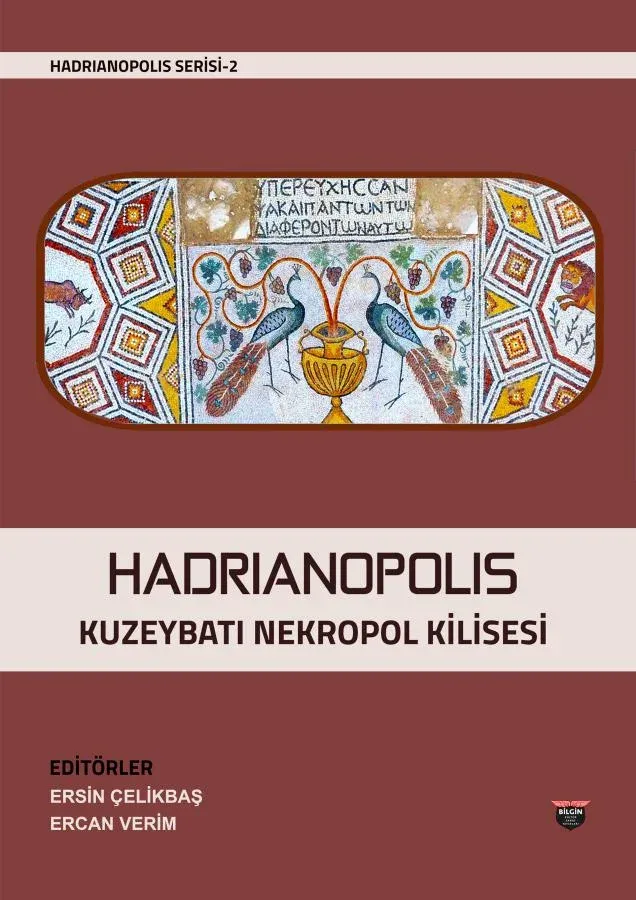

HADRIANOPOLIS SERIES-2 HADRIANOPOLIS NORTHWEST NECROPOLIS CHURCH HADRIANOPOLIS SERİSİ-2 HADRIANOPOLIS KUZEYBATI NEKROPOL KİLİSESİ
Located in southern Paphlagonia, Hadrianopolis, which contains ruins dating from the Late Chalcolithic Age to the Middle Ages, was an important city in both Anatolia and Paphlagonia during the Roman and Byzantine periods. The city's first known name was Kaisareis Proseilemmeneitai, and it was renamed Hadrianopolis during the Roman period. The city held strategic importance throughout its history due to its location on trade and military routes within the imperial borders during the Roman and Byzantine periods. Remains of buildings, tombs, and other small artifacts unearthed during recent excavations, as well as information obtained from contemporary sources, indicate that the city experienced its administrative, economic, and religious heyday between the 4th and 6th centuries AD.
One of the important structures in Hadrianopolis that witnessed this period is the Northwest Necropolis Church, the subject of this book. The Northwest Necropolis Church of Hadrianopolis was built during the Early Byzantine period and, with its traces, is one of the best structures that shed light on the architectural style of this period. Excavations at the church began in 2017 and were largely completed in 2021. Excavations revealed that the church was likely built on a Roman-era structure dating back to the 2nd or 3rd century AD and that it underwent two distinct construction phases. The existing remains indicate that the church was first built in the late 4th or mid-5th century AD, was destroyed around the mid-5th century, and was rebuilt in the first quarter of the 6th century. The Northwest Necropolis Church, with its architectural features, artifacts, and almost all aspects, offers the best understanding of its history among the city's churches. These artifacts are not limited to the Byzantine period. Numerous smaller artifacts from the Roman period have also been found in and around the church. In this book, 15 scholars from different disciplines have come together and presented to the scientific world the best of their respective fields, covering a wide range of topics from numismatics to epigraphy.
Paphlagonia’nın güneyinde bulunan, Geç Kalkolitik Çağ’dan Orta Çağ’a kadarki sürece ait
kalıntıları bünyesinden barındıran Hadrianopolis, Roma ve Bizans döneminde hem Anadolu
hem de Paphlagonia’nın önemli kentlerindendir. Kentin bilinen ilk adı Kaisareis
Proseilemmeneitai olup, Roma döneminde Hadrianopolis adını almıştır. Kent, Roma ve
Bizans döneminde, imparatorluk sınırlarındaki ticari ve askeri yollar üzerinde bulunmasından
dolayı tarihsel süreci boyunca her daim stratejik öneme sahip olmuştur. Son yıllarda
gerçekleştirilen kazı çalışmaları sonucu ortaya çıkarılan yapı kalıntıları, mezarlar ve diğer
küçük buluntular, dönem kaynaklarından elde edilen bilgiler, kentin idari ekonomik ve dini
açıdan en parlak dönemini MS 4. ve 6. yüzyıl arasında yaşadığına işaret etmektedir.
Hadrianopolis’te bulunup bu döneme tanık olan önemli yapılardan biri de bu kitaba konu olan
Kuzeybatı Nekropol Kilisesi’dir. Hadrianopolis Kuzeybatı Nekropol Kilisesi Erken Bizans
döneminde inşa edilmiş, barındırdığı izleriyle bu dönem sanat mimarisine ışık tutan en iyi
yapılardan biridir. Kilisedeki kazı çalışmaları 2017 yılında başlamış olup 2021 yılında büyük
oranda tamamlanmıştır. Kazı çalışmaları sonucunda, kilisenin muhtemelen MS 2. veya 3.
yüzyıla ait bir Roma dönemi yapısı üzerinde kurulduğu ve iki farklı inşa evresi olduğu tespit
edilmiştir. Mevcut kalıntılardan kilisenin ilk olarak MS 4. yüzyıl sonu veya 5. yüzyıl ortasında
inşa edildiği, 5. yüzyıl ortası civarında yıkıldığı ve 6. yüzyıl ilk çeyreğinde yeniden inşa
edildiği anlaşılmaktadır. Kuzeybatı Nekropol Kilisesi, mimari özellikleri ve sahip olduğu
buluntuları ve hemen her yönüyle kentteki kiliseler arasında en iyi fikir sahibi olunan
kilisedir. Bahsi geçen buluntular sadece Bizans dönemiyle de sınırlı değildir. Kilise ve
çevresinde, Roma dönemine ait birçok küçük buluntuya da rastlanılmıştır. Bu kitapta, farklı
disiplinlerden 15 bilim insanı bir araya gelmiş, nümizmatikten epigrafiye kadar geniş bir
yelpazede, kendi alanlarıyla alakalı bölümleri en iyi şekilde bilim dünyasına sunmuştur.
Located in southern Paphlagonia, Hadrianopolis, which contains ruins dating from the Late Chalcolithic Age to the Middle Ages, was an important city in both Anatolia and Paphlagonia during the Roman and Byzantine periods. The city's first known name was Kaisareis Proseilemmeneitai, and it was renamed Hadrianopolis during the Roman period. The city held strategic importance throughout its history due to its location on trade and military routes within the imperial borders during the Roman and Byzantine periods. Remains of buildings, tombs, and other small artifacts unearthed during recent excavations, as well as information obtained from contemporary sources, indicate that the city experienced its administrative, economic, and religious heyday between the 4th and 6th centuries AD.
One of the important structures in Hadrianopolis that witnessed this period is the Northwest Necropolis Church, the subject of this book. The Northwest Necropolis Church of Hadrianopolis was built during the Early Byzantine period and, with its traces, is one of the best structures that shed light on the architectural style of this period. Excavations at the church began in 2017 and were largely completed in 2021. Excavations revealed that the church was likely built on a Roman-era structure dating back to the 2nd or 3rd century AD and that it underwent two distinct construction phases. The existing remains indicate that the church was first built in the late 4th or mid-5th century AD, was destroyed around the mid-5th century, and was rebuilt in the first quarter of the 6th century. The Northwest Necropolis Church, with its architectural features, artifacts, and almost all aspects, offers the best understanding of its history among the city's churches. These artifacts are not limited to the Byzantine period. Numerous smaller artifacts from the Roman period have also been found in and around the church. In this book, 15 scholars from different disciplines have come together and presented to the scientific world the best of their respective fields, covering a wide range of topics from numismatics to epigraphy.
Paphlagonia’nın güneyinde bulunan, Geç Kalkolitik Çağ’dan Orta Çağ’a kadarki sürece ait
kalıntıları bünyesinden barındıran Hadrianopolis, Roma ve Bizans döneminde hem Anadolu
hem de Paphlagonia’nın önemli kentlerindendir. Kentin bilinen ilk adı Kaisareis
Proseilemmeneitai olup, Roma döneminde Hadrianopolis adını almıştır. Kent, Roma ve
Bizans döneminde, imparatorluk sınırlarındaki ticari ve askeri yollar üzerinde bulunmasından
dolayı tarihsel süreci boyunca her daim stratejik öneme sahip olmuştur. Son yıllarda
gerçekleştirilen kazı çalışmaları sonucu ortaya çıkarılan yapı kalıntıları, mezarlar ve diğer
küçük buluntular, dönem kaynaklarından elde edilen bilgiler, kentin idari ekonomik ve dini
açıdan en parlak dönemini MS 4. ve 6. yüzyıl arasında yaşadığına işaret etmektedir.
Hadrianopolis’te bulunup bu döneme tanık olan önemli yapılardan biri de bu kitaba konu olan
Kuzeybatı Nekropol Kilisesi’dir. Hadrianopolis Kuzeybatı Nekropol Kilisesi Erken Bizans
döneminde inşa edilmiş, barındırdığı izleriyle bu dönem sanat mimarisine ışık tutan en iyi
yapılardan biridir. Kilisedeki kazı çalışmaları 2017 yılında başlamış olup 2021 yılında büyük
oranda tamamlanmıştır. Kazı çalışmaları sonucunda, kilisenin muhtemelen MS 2. veya 3.
yüzyıla ait bir Roma dönemi yapısı üzerinde kurulduğu ve iki farklı inşa evresi olduğu tespit
edilmiştir. Mevcut kalıntılardan kilisenin ilk olarak MS 4. yüzyıl sonu veya 5. yüzyıl ortasında
inşa edildiği, 5. yüzyıl ortası civarında yıkıldığı ve 6. yüzyıl ilk çeyreğinde yeniden inşa
edildiği anlaşılmaktadır. Kuzeybatı Nekropol Kilisesi, mimari özellikleri ve sahip olduğu
buluntuları ve hemen her yönüyle kentteki kiliseler arasında en iyi fikir sahibi olunan
kilisedir. Bahsi geçen buluntular sadece Bizans dönemiyle de sınırlı değildir. Kilise ve
çevresinde, Roma dönemine ait birçok küçük buluntuya da rastlanılmıştır. Bu kitapta, farklı
disiplinlerden 15 bilim insanı bir araya gelmiş, nümizmatikten epigrafiye kadar geniş bir
yelpazede, kendi alanlarıyla alakalı bölümleri en iyi şekilde bilim dünyasına sunmuştur.