
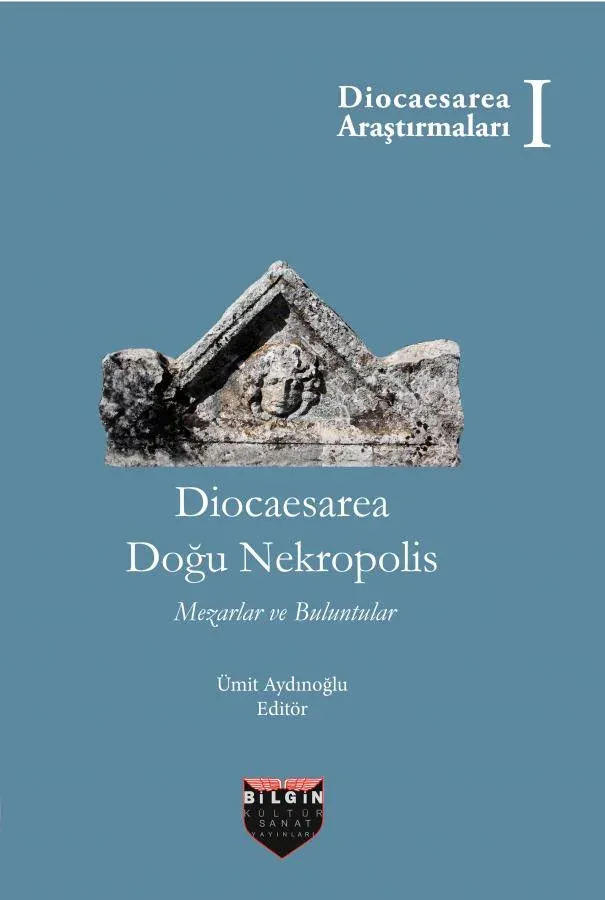

Diocaesarea Eastern Necropolis Tombs and Artifacts Diocaesarea Doğu Nekropolis Mezarlar ve Buluntular
The ancient city of Diocaesarea is located in the Uzuncaburç neighborhood of the Rough Cilicia region, approximately 25 km north of the Silifke district of Mersin province. The ancient city stands out for its well-preserved archaeological remains and contains artifacts from the Hellenistic, Roman, and Late Antique periods. It served as the administrative and religious center of the region known as Olba, ruled by a Priestly Kingdom dynasty during the Hellenistic Period. During the Hellenistic Period, the Sanctuary of Zeus Olbios was the center of the temple-state.
This study examines the Eastern Necropolis of the ancient city. The extensive cleaning and documentation work carried out in the Eastern Necropolis has yielded numerous finds from these tombs. Therefore, this study will examine the typology of the tombs found in the Necropolis and, in addition to making typological comparisons with regional examples, also include material studies. Thus, various views, most of which have remained theoretical until now, will be evaluated within the context of the tomb findings. An attempt will be made to establish a general dating criterion for tomb types, and the influence of the ancient city's tomb architecture on the settlements in the region will be examined.
To the extent permitted by the findings, burial customs and cult activities within the burial context will be discussed. The tombs and findings are discussed in separate sections. The book includes articles on coins, ceramics, metal, glass, and small artifacts discovered in the necropolis.
Comprehensive catalogs of these artifacts are also included in the book.
Diocaesarea antik kenti Dağlık Kilikia bölgesinde, bugün Mersin ili Silifke ilçesinin yaklaşık 25 km.
kuzeyindeki Uzuncaburç mahallesi içerisindedir. Antik kent, iyi korunmuş arkeolojik kalıntılarıyla
öne çıkar ve Hellenistik, Roma ve Geç Antik Dönem eserlerini barındırır. Burası, Hellenistik
Dönem’de bir Rahip Krallık Hanedanlığı tarafından yönetilen, Olba olarak adlandırılan bölgenin
idari ve dini merkezi rolünü üstlenir. Hellenistik Dönem’de Zeus Olbios Kutsal Alanı tapınak
devletinin merkezidir.
Bu çalışmada, antik kentteki Doğu Nekropolis ele alınmıştır. Doğu Nekropolis’de sürdürülen
kapsamlı temizlik ve belgeleme çalışmalarında bu mezarlardan çok sayıda buluntu tespit edilmiş
olması önemlidir ve bu sebeple bu çalışmada Nekropolis’de bulunan mezar tipolojisini incelenmesi
ve bölge örnekleriyle tipolojik bir karşılaştırma yapmanın ötesinde materyal çalışmalara da yer
verilecektir. Böylece bugüne kadar çoğu teori düzeyinde kalan çeşitli görüşler, mezar buluntuları
kapsamında değerlendirilecek, mezar tipleri için genel bir tarihleme kriteri ortaya konmaya
çalışılacak ve antik kentin mezar mimarlığının bölge yerleşimleri üzerine etkileri incelenecektir.
Buluntuların imkan verdiği ölçüde gömme gelenekleri ve gömü bağlamındaki kült eylemleri ele
alınacaktır. Çalışmada mezarlar ve buluntular ayrı bölümlerde ele alınmıştır. Nekropolis’de tespit
edilen sikke, seramik, metal, cam ve küçük buluntulara makaleler şeklinde kitapta yer verilmiştir.
Ayrıca, bu buluntulara ait kapsamlı kataloglar da kitap içinde yer almaktadır.
The ancient city of Diocaesarea is located in the Uzuncaburç neighborhood of the Rough Cilicia region, approximately 25 km north of the Silifke district of Mersin province. The ancient city stands out for its well-preserved archaeological remains and contains artifacts from the Hellenistic, Roman, and Late Antique periods. It served as the administrative and religious center of the region known as Olba, ruled by a Priestly Kingdom dynasty during the Hellenistic Period. During the Hellenistic Period, the Sanctuary of Zeus Olbios was the center of the temple-state.
This study examines the Eastern Necropolis of the ancient city. The extensive cleaning and documentation work carried out in the Eastern Necropolis has yielded numerous finds from these tombs. Therefore, this study will examine the typology of the tombs found in the Necropolis and, in addition to making typological comparisons with regional examples, also include material studies. Thus, various views, most of which have remained theoretical until now, will be evaluated within the context of the tomb findings. An attempt will be made to establish a general dating criterion for tomb types, and the influence of the ancient city's tomb architecture on the settlements in the region will be examined.
To the extent permitted by the findings, burial customs and cult activities within the burial context will be discussed. The tombs and findings are discussed in separate sections. The book includes articles on coins, ceramics, metal, glass, and small artifacts discovered in the necropolis.
Comprehensive catalogs of these artifacts are also included in the book.
Diocaesarea antik kenti Dağlık Kilikia bölgesinde, bugün Mersin ili Silifke ilçesinin yaklaşık 25 km.
kuzeyindeki Uzuncaburç mahallesi içerisindedir. Antik kent, iyi korunmuş arkeolojik kalıntılarıyla
öne çıkar ve Hellenistik, Roma ve Geç Antik Dönem eserlerini barındırır. Burası, Hellenistik
Dönem’de bir Rahip Krallık Hanedanlığı tarafından yönetilen, Olba olarak adlandırılan bölgenin
idari ve dini merkezi rolünü üstlenir. Hellenistik Dönem’de Zeus Olbios Kutsal Alanı tapınak
devletinin merkezidir.
Bu çalışmada, antik kentteki Doğu Nekropolis ele alınmıştır. Doğu Nekropolis’de sürdürülen
kapsamlı temizlik ve belgeleme çalışmalarında bu mezarlardan çok sayıda buluntu tespit edilmiş
olması önemlidir ve bu sebeple bu çalışmada Nekropolis’de bulunan mezar tipolojisini incelenmesi
ve bölge örnekleriyle tipolojik bir karşılaştırma yapmanın ötesinde materyal çalışmalara da yer
verilecektir. Böylece bugüne kadar çoğu teori düzeyinde kalan çeşitli görüşler, mezar buluntuları
kapsamında değerlendirilecek, mezar tipleri için genel bir tarihleme kriteri ortaya konmaya
çalışılacak ve antik kentin mezar mimarlığının bölge yerleşimleri üzerine etkileri incelenecektir.
Buluntuların imkan verdiği ölçüde gömme gelenekleri ve gömü bağlamındaki kült eylemleri ele
alınacaktır. Çalışmada mezarlar ve buluntular ayrı bölümlerde ele alınmıştır. Nekropolis’de tespit
edilen sikke, seramik, metal, cam ve küçük buluntulara makaleler şeklinde kitapta yer verilmiştir.
Ayrıca, bu buluntulara ait kapsamlı kataloglar da kitap içinde yer almaktadır.