
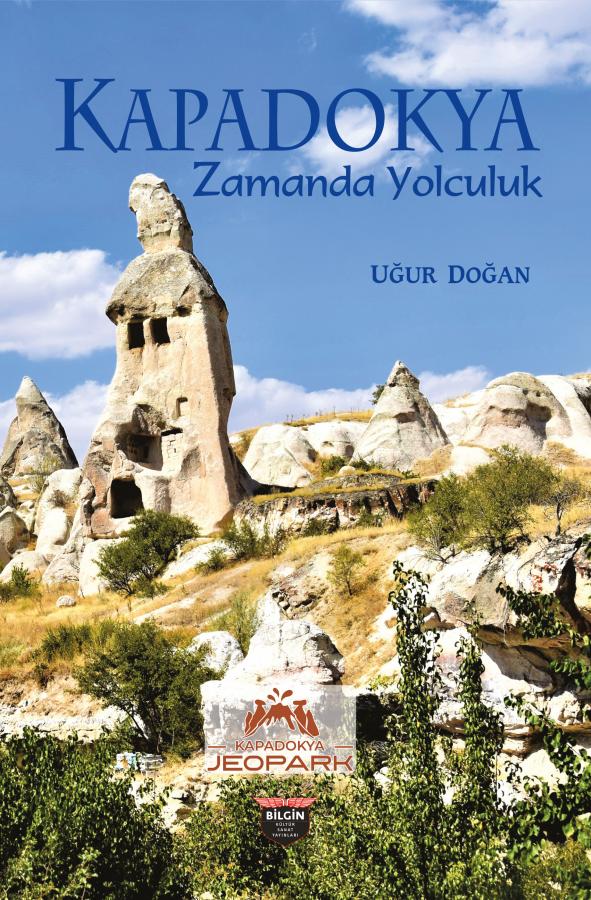

Written by Prof. Dr. Uğur Doğan, a faculty member in the Department of Geography at Ankara University's Faculty of Language, History, and Geography, this book will open a new window for those who have visited Cappadocia and those who are curious, allowing them to journey through the region's millions of years of history. The content is designed to appeal to anyone who wants to truly learn the secrets of the Cappadocia Region's formation. Therefore, to avoid boring readers, concise information is provided, avoiding scientific jargon as much as possible, and is illustrated with maps, figures, and photographs. This work, which also includes the results of the author's 20-year-long research in the Cappadocia Region, is designed as a handbook for everyone. The book examines the volcanism and volcanic rocks that give Cappadocia its character, the formation of the Kızılırmak Valley, fossil deposits of vertebrates that lived in the region millions of years ago, and the formation of fairy chimneys and the Ihlara Valley. Additionally, the region's travertine formations and the Tuzköy salt cave, which may be of interest to visitors, are also featured, as are Sofular and Aşıklı Mound, two important Neolithic settlements that shed light on human history. We hope this book will help you learn the scientific secrets you've been wondering about regarding the region's natural formations and help you correct any misconceptions you may have.
İÇİNDEKİLER
Önsöz......................................................................................................................III
1. Kapadokya Bölgesi..........................................................................................1
2. Kapadokya Bölgesi’nin Genel Jeolojik Özellikleri..................................4
3. Kapadokya Bölgesi’ndeki Yaygın İgnimbirit Oluşumları....................11
Kavak İgnimbiriti...........................................................................................11
Zelve İgnimbiriti.............................................................................................14
Sarımadentepe İgnimbiriti.........................................................................16
Sofular İgnimbiriti.........................................................................................16
Cemilköy İgnimbiriti.....................................................................................16
Tahar İgnimbiriti............................................................................................20
Gördeles İgnimbiriti......................................................................................21
Kızılkaya İgnimbiriti......................................................................................22
Valibaba Tepe İgnimbiriti............................................................................22
Kumtepe İgnimbiriti......................................................................................22
4. Kapadokya Bölgesi’ndeki Bazı Volkanik Merkezler ve Kompleksler....................................................................................................28
4.1. Erciyes Dağı.............................................................................................28
4.2. Acıgöl Volkanik Kompleksi.................................................................31
4.3. Kayırlı Koridoru: Nar Gölü Maarı ve Nenezi Dağı Riyolitik Domu.......................................................................................................36
4.4. Hasan Dağı .............................................................................................42
VIII
5. Kızılırmak Nehri’nin Oluşumu ve Kızılırmak Vadisi’nin Evrimi.........45
6. Tuzköy Tuz Mağarası......................................................................................62
7. Traverten Oluşumları.....................................................................................62
8. Kapadokya Bölgesi’nde Omurgalı Fosil Yatakları ve Sofular Höyük................................................................................................................68
8.1. Sofular Omurgalı Fosil Yatağı ...........................................................68
8.2. Sofular Höyük ........................................................................................75
8.3. Yeniyaylacık Omurgalı Fosil Yatağı...................................................77
8.4. Taşkınpaşa Omurgalı Fosil Yatağı.....................................................80
9. Kapadokya Bölgesi’nde Erozyon ve Peribacalarının Oluşumu........82
9.1.Erozyon......................................................................................................82
9.2. Peribacalarının Oluşumu ve Tipleri..................................................82
10. Ihlara Vadisi ve Aşıklı Höyük.................................................................119
11. İgnimbiritler ve Kapadokya’da Yaşam................................................128
Kaynaklar............................................................................................................133
Ürünün ağırlığı: 0,356 gram
Written by Prof. Dr. Uğur Doğan, a faculty member in the Department of Geography at Ankara University's Faculty of Language, History, and Geography, this book will open a new window for those who have visited Cappadocia and those who are curious, allowing them to journey through the region's millions of years of history. The content is designed to appeal to anyone who wants to truly learn the secrets of the Cappadocia Region's formation. Therefore, to avoid boring readers, concise information is provided, avoiding scientific jargon as much as possible, and is illustrated with maps, figures, and photographs. This work, which also includes the results of the author's 20-year-long research in the Cappadocia Region, is designed as a handbook for everyone. The book examines the volcanism and volcanic rocks that give Cappadocia its character, the formation of the Kızılırmak Valley, fossil deposits of vertebrates that lived in the region millions of years ago, and the formation of fairy chimneys and the Ihlara Valley. Additionally, the region's travertine formations and the Tuzköy salt cave, which may be of interest to visitors, are also featured, as are Sofular and Aşıklı Mound, two important Neolithic settlements that shed light on human history. We hope this book will help you learn the scientific secrets you've been wondering about regarding the region's natural formations and help you correct any misconceptions you may have.
İÇİNDEKİLER
Önsöz......................................................................................................................III
1. Kapadokya Bölgesi..........................................................................................1
2. Kapadokya Bölgesi’nin Genel Jeolojik Özellikleri..................................4
3. Kapadokya Bölgesi’ndeki Yaygın İgnimbirit Oluşumları....................11
Kavak İgnimbiriti...........................................................................................11
Zelve İgnimbiriti.............................................................................................14
Sarımadentepe İgnimbiriti.........................................................................16
Sofular İgnimbiriti.........................................................................................16
Cemilköy İgnimbiriti.....................................................................................16
Tahar İgnimbiriti............................................................................................20
Gördeles İgnimbiriti......................................................................................21
Kızılkaya İgnimbiriti......................................................................................22
Valibaba Tepe İgnimbiriti............................................................................22
Kumtepe İgnimbiriti......................................................................................22
4. Kapadokya Bölgesi’ndeki Bazı Volkanik Merkezler ve Kompleksler....................................................................................................28
4.1. Erciyes Dağı.............................................................................................28
4.2. Acıgöl Volkanik Kompleksi.................................................................31
4.3. Kayırlı Koridoru: Nar Gölü Maarı ve Nenezi Dağı Riyolitik Domu.......................................................................................................36
4.4. Hasan Dağı .............................................................................................42
VIII
5. Kızılırmak Nehri’nin Oluşumu ve Kızılırmak Vadisi’nin Evrimi.........45
6. Tuzköy Tuz Mağarası......................................................................................62
7. Traverten Oluşumları.....................................................................................62
8. Kapadokya Bölgesi’nde Omurgalı Fosil Yatakları ve Sofular Höyük................................................................................................................68
8.1. Sofular Omurgalı Fosil Yatağı ...........................................................68
8.2. Sofular Höyük ........................................................................................75
8.3. Yeniyaylacık Omurgalı Fosil Yatağı...................................................77
8.4. Taşkınpaşa Omurgalı Fosil Yatağı.....................................................80
9. Kapadokya Bölgesi’nde Erozyon ve Peribacalarının Oluşumu........82
9.1.Erozyon......................................................................................................82
9.2. Peribacalarının Oluşumu ve Tipleri..................................................82
10. Ihlara Vadisi ve Aşıklı Höyük.................................................................119
11. İgnimbiritler ve Kapadokya’da Yaşam................................................128
Kaynaklar............................................................................................................133
Ürünün ağırlığı: 0,356 gram