
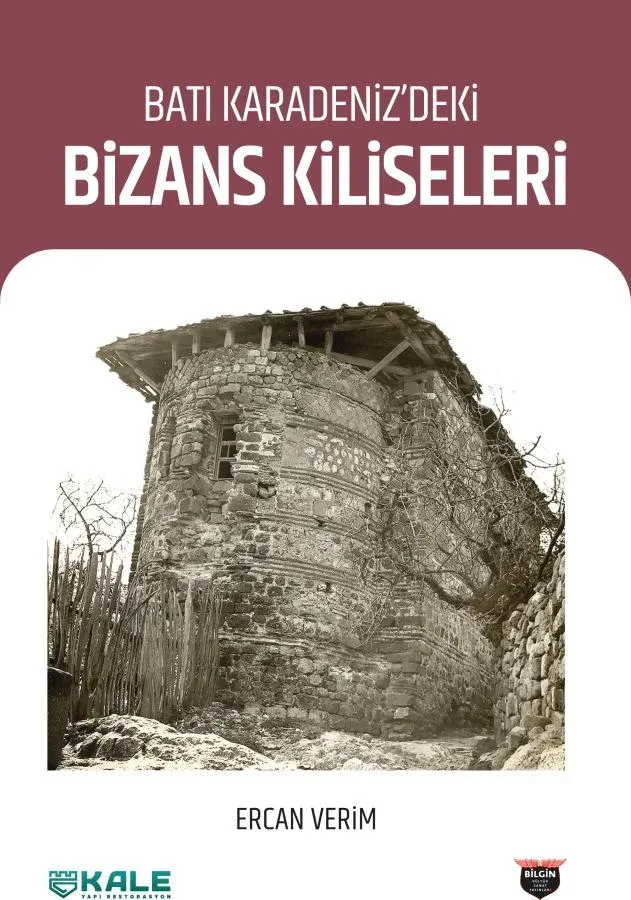

This work, titled "Byzantine Churches in the Western Black Sea Region," authored by Ercan Verim, comprehensively examines the religious architectural heritage of a region that remained "terra incognita" (unknown lands) for a long time in Byzantine architectural history. This study is the product of approximately 12 years of meticulous field research (2012-2024) and the author's doctoral thesis. Focusing on the provinces of Bartın, Bolu, Düzce, Karabük, and Zonguldak, it also presents findings from surrounding provinces such as Sinop to the academic world. During the research process, an extensive field survey was conducted, and 42 previously undocumented or little-known churches and chapels were examined in detail. The work analyzes the religious structures in the region using a methodological approach based on their plan typologies, building materials, and ornamentation programs. Supported by metric measurements and modular system analyses, the study presents a wide range of structures in chronological order, from monumental basilicas to churches with closed cross plans, from single-nave structures to rock churches. The data presented, particularly on engineering details such as the use of tegula mammata type bricks and the Anatolian origins of the ceramoplastic ornamentation tradition, reveal the unique character of the region's architecture and its hierarchical ties to the capital, Constantinople. By reconstructing the historical period from the Early Byzantine to the Ottoman era within the framework of political and socio-economic dynamics, the book places this hidden cultural heritage of Anatolia on an academic foundation. Serving as a fundamental reference source for both regional archaeology and general Byzantine art and architecture research, this monograph aims to lay the groundwork for future scholarly work.
This work, titled "Byzantine Churches in the Western Black Sea Region," authored by Ercan Verim, comprehensively examines the religious architectural heritage of a region that remained "terra incognita" (unknown lands) for a long time in Byzantine architectural history. This study is the product of approximately 12 years of meticulous field research (2012-2024) and the author's doctoral thesis. Focusing on the provinces of Bartın, Bolu, Düzce, Karabük, and Zonguldak, it also presents findings from surrounding provinces such as Sinop to the academic world. During the research process, an extensive field survey was conducted, and 42 previously undocumented or little-known churches and chapels were examined in detail. The work analyzes the religious structures in the region using a methodological approach based on their plan typologies, building materials, and ornamentation programs. Supported by metric measurements and modular system analyses, the study presents a wide range of structures in chronological order, from monumental basilicas to churches with closed cross plans, from single-nave structures to rock churches. The data presented, particularly on engineering details such as the use of tegula mammata type bricks and the Anatolian origins of the ceramoplastic ornamentation tradition, reveal the unique character of the region's architecture and its hierarchical ties to the capital, Constantinople. By reconstructing the historical period from the Early Byzantine to the Ottoman era within the framework of political and socio-economic dynamics, the book places this hidden cultural heritage of Anatolia on an academic foundation. Serving as a fundamental reference source for both regional archaeology and general Byzantine art and architecture research, this monograph aims to lay the groundwork for future scholarly work.