
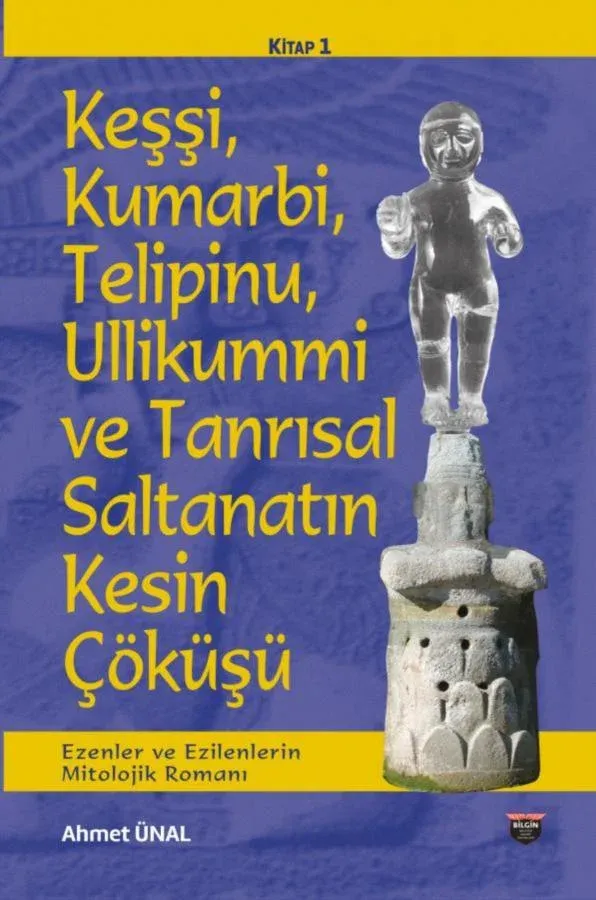

A Mythological Novel of the Oppressors and the Oppressed: Keshi, Kumarbi, Telipinu, Ullikummi, and the Final Collapse of the Divine Reign, BOOK I Ezenler ve Ezilenlerin Mitolojik Romanı Keşşi, Kumarbi, Telipinu, Ullikummi ve Tanrısal Saltanatın Kesin Çöküşü KİTAP I
To my dear daughter Çiğdem Nur Ünal, who, like every child, once lived her own simple and innocent world, but at an early age, was forced to tour the ruins of stone and soil that meant nothing to her because of her parents' professions or by creating fait accompli, and who was forced to transform every pile of soil and stone we showed her into fairy tales and castles and palaces of princes and princesses; to Nida Helin Çaylar, whose identity and the triggering effect that led to the birth of this book, I will explain below; to the countless nameless adults and children who are helpless prisoners, hostages and victims of insidious computer and mobile phone games that robotize the flexible human brain, which overshadows even the most supercomputers, without even realizing it; and to those who know how to resist, whose souls have managed to remain childlike and pure (I will explain the meaning of this below), at least not in a fake way. to the people whose childhoods have lost, whose numbers are increasing day by day, who believe wholeheartedly not in history but in myths, legends, epics and tales that reflect the realities of past times through allegory, puns, satire, idioms, satire, language games and symbols, even if by blurring them behind frosted glass, who embrace them, grant them a privileged position, who take their time and hold their breath to read and listen, who draw lessons from the stories, who nourish their complex spiritual worlds with their various fruits to their heart's content and content; To those who regret being late, to those who say shame, to those who want to go back and relive their lost past in another way, and most importantly, while translating the Ullikummi Epic from its original language, which is written or orally in the much more expressive Hurrian language, into the target language Hittite, which has extremely limited literary possibilities even in terms of pure vocabulary, especially the great master, chief scribe, grammarian, man of letters, politician, soldier, administrator, doctor, magician, Mitannamuva, who, as his name suggests, came from the land of Mitanni to that wild and harsh mountain city at the edge of civilization, Hattusa, and became an ambassador of science and literature, instead of developing the expressive power of their mother tongue Hittite by adding sublime values in a way that is worthy of and granted to human beings, and narrating and fictionalizing the biological, intellectual and spiritual life of the most impetuous creature in the world, the thought system, ideals, and collective desires that are difficult to express in any other way, they are hitting the pointless I dedicate this to the memory of the many Hittite, Egyptian, Sumerian, Akkadian, Hurrian and Hattian scribes who, as the Egyptians said, “loved their profession more than their mothers” because they worked under the command of a ruling class that treated the human spirit and spirituality as if they were a technical device, ignoring the meaningless narration of wars that consisted of destruction and seas of bloodshed, and who could only slap their hands and translate, yet still compiled the legends and put them in writing for the first time, ensuring that they were not forgotten and reached us. If I were absolutely certain who the anonymous geniuses and sages who translated the Tale of the Monk, the Legend of Kumarbi, the efforts of Kumarbi, the son of the Stone Creature Perunaşena, who is devoid of all humanity, fairness and justice, to isolate the divine and human order, and many other works, which are re-imagined and told here in an expanded but still true to their essence, from Hurrian into Hittite, were, I would only mention their names as the author of the book and, I sincerely say, leave my own name as “the person who translated it into Turkish, expanded it with new interpretations and prepared it for publication”!
Her çocuk gibi bir zamanlar kendi sade ve masumane dünyasının içine çekilmiş yaşarken, daha erken yaşta biz anne babasının mesleği gereği hayal dünyasına girerek veya oldubittiler yaratılarak, kendisine hiçbir şey ifade etmeyen taş ve toprak yığını harabeleri gezdirdiğimiz, gösterdiğimiz her toprak ve taş yığınını hayalindeki peri masallarına ve prens ve prenses şato ve saraylarına çevirmeye zorlanan sevgili kızım Çiğdem Nur Ünal’a, kim olduğunu ve bu kitabın doğmasındaki tetikleyici etkisini aşağıda açıklayacağım Nida Helin Çaylar’a, dijital dünya, sanallık, fantezi, mekanik, biyonik ve elektronik oyunlar dışında kalan her türden realiteye, biyonik değil biyolojik, et kemik ve ruh sahibi olanların üstün bastığı kültürel değer ve etkinliklere hasret, hiç farkında olmadan, en süper bilgisayarları bile gölgede bırakan esnek insan beynini yok sayarak robotlaştıran sinsi bilgisayar ve cep telefonu oyunlarının çaresiz tutsağı, rehinesi ve kurbanı nice isimsiz yetişkin ve çocuğa, bunun yanında direnmesini bilen, ruhları çocuksu ve saf kalmayı başarmış (bunun ne anlam taşıdığını da aşağıda açıklayacağım), hiç değilse sadece düzmece tarihe değil, geçmiş zamanların gerçeklerini buzlu camlar arkasında bulanıklaştırarak da olsa, alegori, cinas, taşlama, deyiş, hiciv, dil oyunları ve semboller aracılığıyla yansıtan mit, efsane, destan ve masallara da canıgönülden inanan, onları bağrına basan, ayrıcalıklı bir konum tanıyan, zaman ayırarak ve nefes tutarak okuyan, dinleyen, kıssadan hisse ders çıkaran, çapraşık ruh dünyalarını onların envaiçeşit meyveleriyle doyasıya, kanasıya besleyen, sayıları her geçen gün artan çocuklukları yitirilmiş insanlara; geç kalıp pişman olan, yazıklar olsun, eyvah diyenlere veya bir başka biçimde geriye dönüp yitik geçmişlerini yeniden yaşamak isteyenlere ve en önemlisi Ullikummi Destanı’nı ifade gücü çok daha yüksek Hurri dilinde yazılmış veya sözlü olarak aktarılmış aslından, salt sözcük dağarcığı açısından bile edebi olanakları aşırı derecede sınırlı hedef dil Hiti tçeye çevirirken, en başta büyük üstat, baş kâtip, dilbilgini, edebiyatçı, politikacı, asker, idareci, doktor, büyücü, adı üstünde ta Mitanni ülkesinden kalkıp uygarlığın kenarında kalmış o vahşi ve her yönüyle haşin dağ kenti Hattuşa’ ya gelerek bilim ve edebiyat elçiliği yapmış Mitannamuva olmak üzere, yaşam ve eylemlerini ana dilleri Hititçenin ifade gücünü sadece insana layık, insana nasip olan biçimde ulvi değerleri katarak geliştirme, âlemin en çaparız canlısı insanın biyolojik, fikrî ve ruhani yaşamını, düşünce sistemini, ideallerini, başka türlü ifade etmekte zorlandığı kolektif arzularını anlatma ve kurgulama yönünde değil de, anlamsız yere vurup kırmaktan ve deryalar kadar kan akıtmaktan oluşan savaşların gene anlamsız yere anlatımına ve kuru bürokrasiyi esas alarak ayarlayan, insanın ruhunu ve tinselliğini göz ardı ederek ona teknik bir cihazmış gibi bakan idareci zümrenin emrinde çalıştıklarından, sadece yalap çalap tercüme edebilen ve gene de söylenceleri derleyip ilk kez yazıya geçirerek unutulmayıp bize kadar ulaşmasını sağlayan, Mısırlıların dedikleri gibi mesleklerini “ana- larından çok daha fazla seven” nice Hitit, Mısır, Sümer, Akad, Hurri ve Hattili kâtiplerin anısına ithaf ederim. Şayet burada genişletilerek, ama özüne bağlı kalarak yeniden kurgulanan ve anlatılan Keşşi Masalı, Kumarbi Efsanesi ve her türlü duygu ve duygusallıktan yoksun Kumarbi ve Taş Yaratık Perunaşe- na’nın oğlu Ullikummi’nin her türlü insanlık, insaf ve adaletten yoksun tanrısal ve beşerî düzeni izole etme çabalarını ve daha nice eserleri Hurricesinden Hititçeye çeviren isimsiz dâhi ve bilgelerin kim olduklarından kesinlikle emin olabilseydim, kitabın yazarı olarak yalnızca onların adlarını koyar ve içtenlikle söylüyorum, kendi adımı “Türkçeye çeviren, yeni yorumlarla genişleten ve yayına hazırlayan kişi” olarak bırakırdım!
To my dear daughter Çiğdem Nur Ünal, who, like every child, once lived her own simple and innocent world, but at an early age, was forced to tour the ruins of stone and soil that meant nothing to her because of her parents' professions or by creating fait accompli, and who was forced to transform every pile of soil and stone we showed her into fairy tales and castles and palaces of princes and princesses; to Nida Helin Çaylar, whose identity and the triggering effect that led to the birth of this book, I will explain below; to the countless nameless adults and children who are helpless prisoners, hostages and victims of insidious computer and mobile phone games that robotize the flexible human brain, which overshadows even the most supercomputers, without even realizing it; and to those who know how to resist, whose souls have managed to remain childlike and pure (I will explain the meaning of this below), at least not in a fake way. to the people whose childhoods have lost, whose numbers are increasing day by day, who believe wholeheartedly not in history but in myths, legends, epics and tales that reflect the realities of past times through allegory, puns, satire, idioms, satire, language games and symbols, even if by blurring them behind frosted glass, who embrace them, grant them a privileged position, who take their time and hold their breath to read and listen, who draw lessons from the stories, who nourish their complex spiritual worlds with their various fruits to their heart's content and content; To those who regret being late, to those who say shame, to those who want to go back and relive their lost past in another way, and most importantly, while translating the Ullikummi Epic from its original language, which is written or orally in the much more expressive Hurrian language, into the target language Hittite, which has extremely limited literary possibilities even in terms of pure vocabulary, especially the great master, chief scribe, grammarian, man of letters, politician, soldier, administrator, doctor, magician, Mitannamuva, who, as his name suggests, came from the land of Mitanni to that wild and harsh mountain city at the edge of civilization, Hattusa, and became an ambassador of science and literature, instead of developing the expressive power of their mother tongue Hittite by adding sublime values in a way that is worthy of and granted to human beings, and narrating and fictionalizing the biological, intellectual and spiritual life of the most impetuous creature in the world, the thought system, ideals, and collective desires that are difficult to express in any other way, they are hitting the pointless I dedicate this to the memory of the many Hittite, Egyptian, Sumerian, Akkadian, Hurrian and Hattian scribes who, as the Egyptians said, “loved their profession more than their mothers” because they worked under the command of a ruling class that treated the human spirit and spirituality as if they were a technical device, ignoring the meaningless narration of wars that consisted of destruction and seas of bloodshed, and who could only slap their hands and translate, yet still compiled the legends and put them in writing for the first time, ensuring that they were not forgotten and reached us. If I were absolutely certain who the anonymous geniuses and sages who translated the Tale of the Monk, the Legend of Kumarbi, the efforts of Kumarbi, the son of the Stone Creature Perunaşena, who is devoid of all humanity, fairness and justice, to isolate the divine and human order, and many other works, which are re-imagined and told here in an expanded but still true to their essence, from Hurrian into Hittite, were, I would only mention their names as the author of the book and, I sincerely say, leave my own name as “the person who translated it into Turkish, expanded it with new interpretations and prepared it for publication”!
Her çocuk gibi bir zamanlar kendi sade ve masumane dünyasının içine çekilmiş yaşarken, daha erken yaşta biz anne babasının mesleği gereği hayal dünyasına girerek veya oldubittiler yaratılarak, kendisine hiçbir şey ifade etmeyen taş ve toprak yığını harabeleri gezdirdiğimiz, gösterdiğimiz her toprak ve taş yığınını hayalindeki peri masallarına ve prens ve prenses şato ve saraylarına çevirmeye zorlanan sevgili kızım Çiğdem Nur Ünal’a, kim olduğunu ve bu kitabın doğmasındaki tetikleyici etkisini aşağıda açıklayacağım Nida Helin Çaylar’a, dijital dünya, sanallık, fantezi, mekanik, biyonik ve elektronik oyunlar dışında kalan her türden realiteye, biyonik değil biyolojik, et kemik ve ruh sahibi olanların üstün bastığı kültürel değer ve etkinliklere hasret, hiç farkında olmadan, en süper bilgisayarları bile gölgede bırakan esnek insan beynini yok sayarak robotlaştıran sinsi bilgisayar ve cep telefonu oyunlarının çaresiz tutsağı, rehinesi ve kurbanı nice isimsiz yetişkin ve çocuğa, bunun yanında direnmesini bilen, ruhları çocuksu ve saf kalmayı başarmış (bunun ne anlam taşıdığını da aşağıda açıklayacağım), hiç değilse sadece düzmece tarihe değil, geçmiş zamanların gerçeklerini buzlu camlar arkasında bulanıklaştırarak da olsa, alegori, cinas, taşlama, deyiş, hiciv, dil oyunları ve semboller aracılığıyla yansıtan mit, efsane, destan ve masallara da canıgönülden inanan, onları bağrına basan, ayrıcalıklı bir konum tanıyan, zaman ayırarak ve nefes tutarak okuyan, dinleyen, kıssadan hisse ders çıkaran, çapraşık ruh dünyalarını onların envaiçeşit meyveleriyle doyasıya, kanasıya besleyen, sayıları her geçen gün artan çocuklukları yitirilmiş insanlara; geç kalıp pişman olan, yazıklar olsun, eyvah diyenlere veya bir başka biçimde geriye dönüp yitik geçmişlerini yeniden yaşamak isteyenlere ve en önemlisi Ullikummi Destanı’nı ifade gücü çok daha yüksek Hurri dilinde yazılmış veya sözlü olarak aktarılmış aslından, salt sözcük dağarcığı açısından bile edebi olanakları aşırı derecede sınırlı hedef dil Hiti tçeye çevirirken, en başta büyük üstat, baş kâtip, dilbilgini, edebiyatçı, politikacı, asker, idareci, doktor, büyücü, adı üstünde ta Mitanni ülkesinden kalkıp uygarlığın kenarında kalmış o vahşi ve her yönüyle haşin dağ kenti Hattuşa’ ya gelerek bilim ve edebiyat elçiliği yapmış Mitannamuva olmak üzere, yaşam ve eylemlerini ana dilleri Hititçenin ifade gücünü sadece insana layık, insana nasip olan biçimde ulvi değerleri katarak geliştirme, âlemin en çaparız canlısı insanın biyolojik, fikrî ve ruhani yaşamını, düşünce sistemini, ideallerini, başka türlü ifade etmekte zorlandığı kolektif arzularını anlatma ve kurgulama yönünde değil de, anlamsız yere vurup kırmaktan ve deryalar kadar kan akıtmaktan oluşan savaşların gene anlamsız yere anlatımına ve kuru bürokrasiyi esas alarak ayarlayan, insanın ruhunu ve tinselliğini göz ardı ederek ona teknik bir cihazmış gibi bakan idareci zümrenin emrinde çalıştıklarından, sadece yalap çalap tercüme edebilen ve gene de söylenceleri derleyip ilk kez yazıya geçirerek unutulmayıp bize kadar ulaşmasını sağlayan, Mısırlıların dedikleri gibi mesleklerini “ana- larından çok daha fazla seven” nice Hitit, Mısır, Sümer, Akad, Hurri ve Hattili kâtiplerin anısına ithaf ederim. Şayet burada genişletilerek, ama özüne bağlı kalarak yeniden kurgulanan ve anlatılan Keşşi Masalı, Kumarbi Efsanesi ve her türlü duygu ve duygusallıktan yoksun Kumarbi ve Taş Yaratık Perunaşe- na’nın oğlu Ullikummi’nin her türlü insanlık, insaf ve adaletten yoksun tanrısal ve beşerî düzeni izole etme çabalarını ve daha nice eserleri Hurricesinden Hititçeye çeviren isimsiz dâhi ve bilgelerin kim olduklarından kesinlikle emin olabilseydim, kitabın yazarı olarak yalnızca onların adlarını koyar ve içtenlikle söylüyorum, kendi adımı “Türkçeye çeviren, yeni yorumlarla genişleten ve yayına hazırlayan kişi” olarak bırakırdım!